Pai gow poker is the slow lane of the casino floor. Hands take a while, many end with nobody winning or losing, and the table tends to be sociable. It borrows its structure from pai gow, a Chinese game played with dominoes, and dresses it in the hand rankings of Western poker. This guide covers the standard rules for adults aged 18 and over; details vary between casinos, so always read the table's own rules.
The deck and the joker
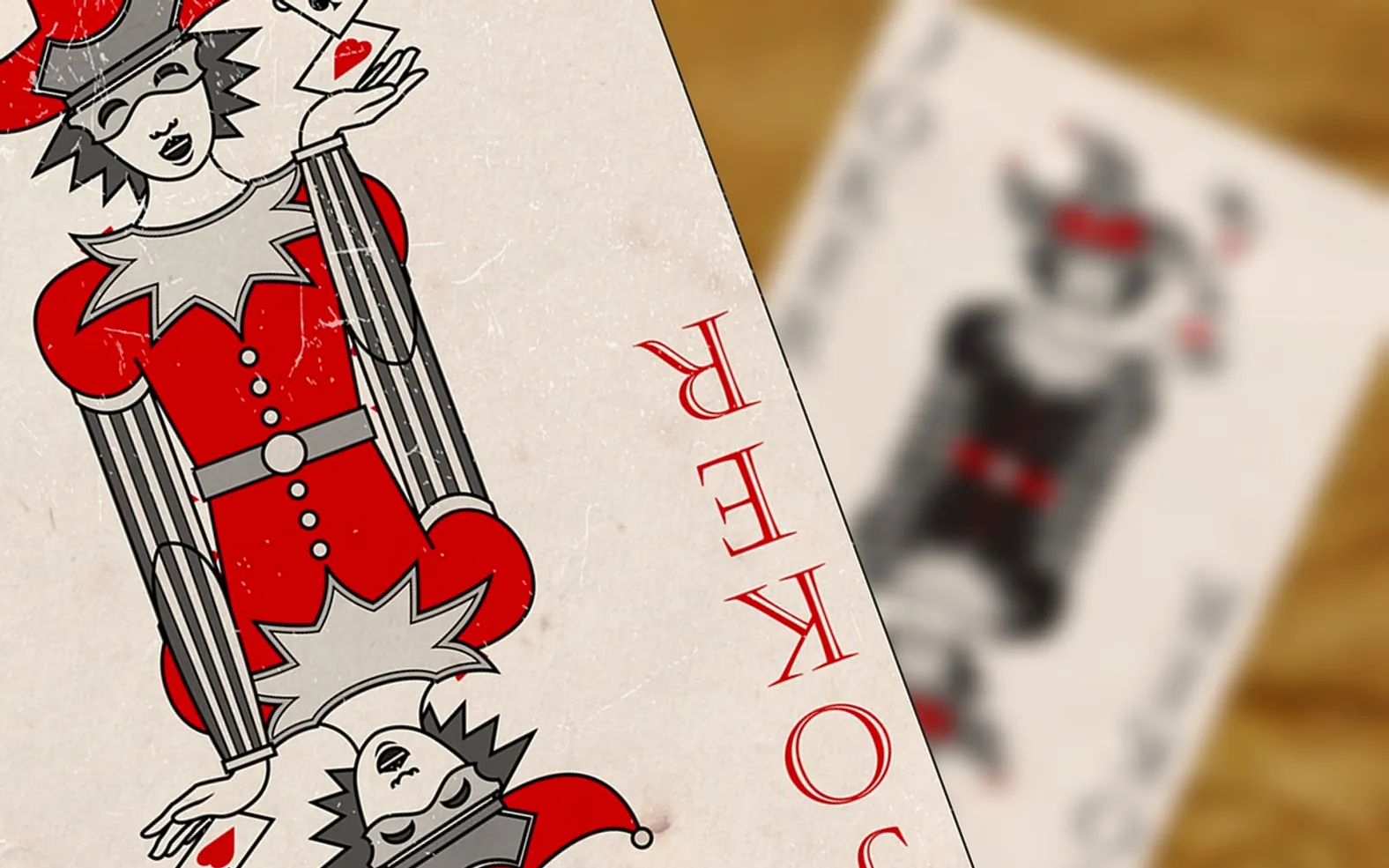
The game uses a single 52-card deck plus one joker. The joker is only partly wild: it can stand in as an ace, or it can complete a straight, a flush or a straight flush. It cannot be used to turn a lone king into a pair of kings.
Seven cards, two hands
Each player and the dealer receive seven cards. Your task is to split them into two hands:
- A five-card hand, often called the high hand or back hand, ranked like ordinary poker.
- A two-card hand, the low hand or front hand, where the only combinations are a pair or high cards.
There is one firm rule: the five-card hand must outrank the two-card hand. If your two cards are a pair of jacks, the five cards need at least a better pair. Setting the hands the wrong way round is called a foul; depending on the casino, a fouled hand is either reset by the dealer or forfeited.
How a hand is settled
| Your two hands against the dealer's | Result |
|---|---|
| Both beat the dealer | You win, paid even money minus a commission, commonly 5% |
| One wins, one loses | Push: your stake is returned |
| Both lose to the dealer | You lose the bet |
When one of your hands exactly matches the dealer's corresponding hand, it is called a copy, and copies go to the dealer. That rule, together with the commission on wins, is the main source of the casino's advantage.
Setting your hands: the basic idea
The craft of pai gow poker lies in balancing the two hands. Since winning just one of them produces a push, it usually pays to look for a split that gives both hands a fair chance.
- No pair: keep the highest card in the five-card hand and put the next two highest in the two-card hand.
- One pair: keep the pair in the five-card hand and move the next two highest cards to the front.
- Two pair: often split them, with the higher pair behind and the lower pair in front, though small two pairs alongside an ace are sometimes kept together. Casinos publish their own guidance on this.
- Three of a kind or better: usually stays in the five-card hand, with exceptions for three aces and for some full houses.
The house way
If you are unsure, you can ask the dealer to set your cards the "house way", the fixed method the dealer uses for their own hand. It is a reasonable, if not perfect, way to play, and it takes the pressure off every decision. Online versions usually offer the same option as a button.
Banking and the house edge
In some casinos players may take turns acting as the banker, playing against everyone else at the table and the dealer. The role changes the maths a little and requires enough money to cover the table's bets, so it is best left until the game feels familiar.
For a player betting against the dealer, the house edge is commonly put at somewhere around 2.5 to 3%, depending on how the hands are set and the commission charged. The edge is the average share of each bet the casino expects to keep across many hands. Because so many hands push, money moves slowly, which is part of the appeal for players who want a long, calm session on a fixed budget. It is still a cost, not an opportunity.
Side bets
Many tables offer a bonus side bet that pays on strong seven-card hands such as a straight flush or four of a kind, sometimes with a progressive jackpot attached. Like most side bets, these carry a bigger edge than the main game; the reasoning in our article on baccarat side bets applies here as well.
Before you sit down
Pai gow poker rewards patience more than boldness, but no way of setting your cards gives you an advantage over the house. Set a budget for the session, enjoy the slower rhythm, and check the rules where you live before playing for money, whether at a casino table or online.