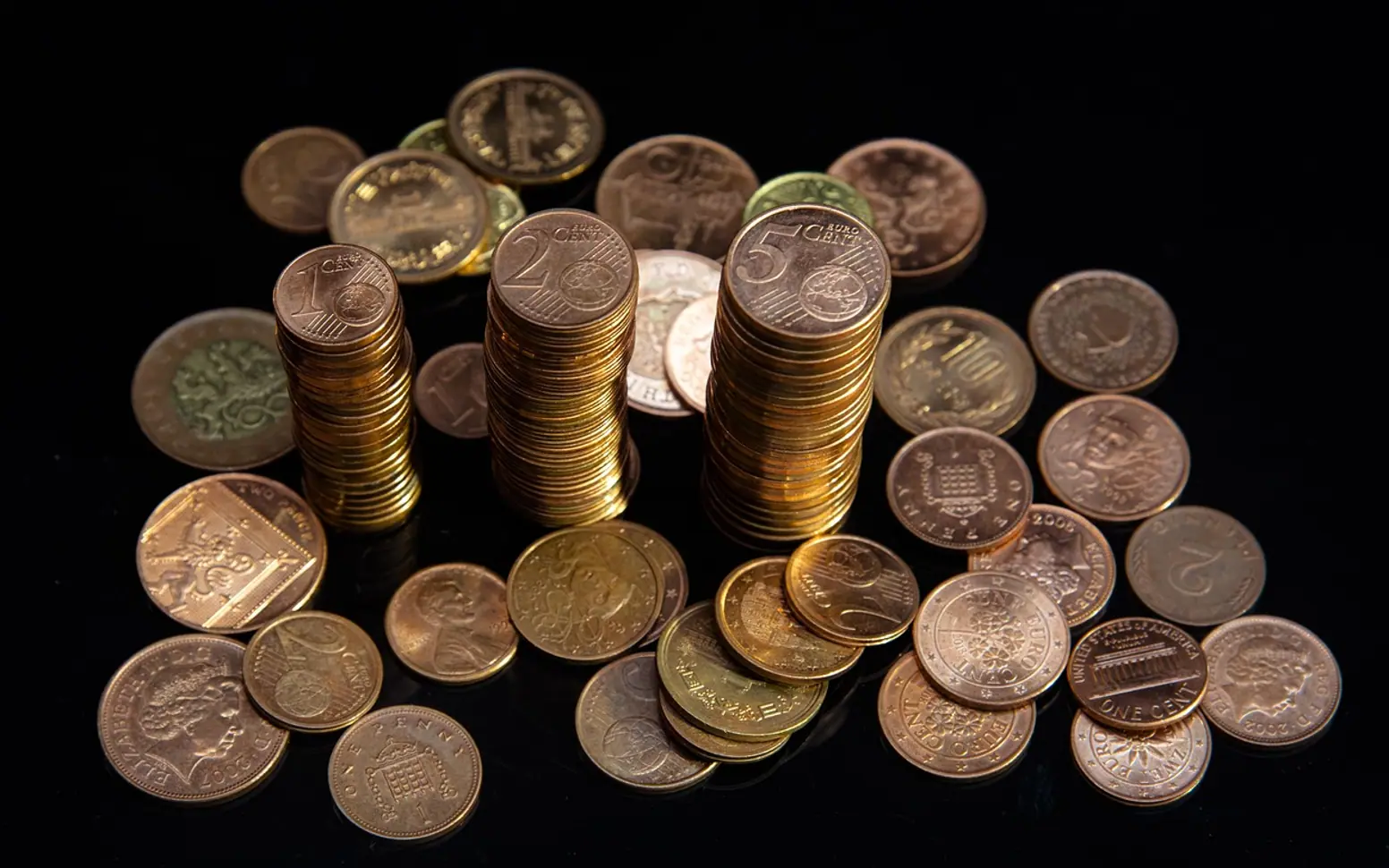
A penny slot is a slot machine whose credits are worth one cent each. That is the machine's denomination, not the price of a spin. Most penny games ask for many credits per spin, spread across lines or ways and multiplied by a bet level, so a typical minimum spin costs somewhere between a few cents and a dollar, and the maximum can run to several dollars. Understanding how that figure is built is the simplest way to keep a slot session affordable. This guide is for adult players.
Denomination, credits and the bet
Three numbers decide what a spin costs, and penny games display them in slightly different ways:
- Denomination or coin value: the value of one credit, here one cent. Some online games let you change it; on others it is fixed.
- Lines or ways: how many paylines are active, or a fixed number of "ways" when wins pay in any position across adjacent reels.
- Bet level or multiplier: how many credits are staked on each line, or a single multiplier applied to the whole bet.
The total bet is the product of the three. The examples below use round numbers for illustration:
| Credit value | Lines | Credits per line | Cost per spin |
|---|---|---|---|
| 1 cent | 1 | 1 | 1 cent |
| 1 cent | 20 | 1 | 20 cents |
| 1 cent | 25 | 2 | 50 cents |
| 1 cent | 50 | 5 | $2.50 |
The first row barely exists on modern machines. Many games have fixed lines, so the lowest possible spin already covers all of them.
Why the cents add up
A slot's return to player (RTP) is the share of money staked that it pays back on average over a very long run; the rest is the house edge. On a many-line game, plenty of the small payouts return less than the stake, a pattern explained in losses disguised as wins. What penny players often miss is the speed. A spin takes a few seconds, so hundreds of spins an hour are easy.
Here is a worked example with assumed figures, not measured ones:
- Cost per spin: 50 cents.
- Spins per hour: 500.
- Total staked: 500 × $0.50 = $250 an hour.
- With an assumed house edge of 6%, the average cost is about $15 an hour.
Short sessions swing well above or below that average, but over time it is a realistic way to price your entertainment. Change any of the inputs, especially spins per hour, and the result moves with it.
Are penny slots worse value?
In several land-based markets that publish slot figures, low-denomination machines tend to keep a larger share of money played than higher-denomination ones. Online, return figures are usually set per game rather than per coin value, and many titles show their RTP in the help screen. Check it instead of assuming.
Reading a penny slot before you spin
- Open the paytable and rules. Look for the RTP, the number of lines or ways and the minimum and maximum bet.
- Check whether lines are fixed. If they are, the minimum spin may be far above a cent.
- See whether the top prizes or features require the maximum bet. Some older-style games reserve a jackpot for full stakes.
- Watch the volatility. Penny games are often busy with small returns that are smaller than the stake, which can feel like winning while the balance falls.
Formats with large numbers of ways, such as the shifting reels described in Megaways slots, often have penny-sized credits but fixed minimum spins of 10 or 20 cents or more.
"Wins" that are really losses
A spin that costs 50 cents and returns 30 cents will often trigger the same lights and sounds as a genuine win. Over a session these partial returns create a sense of progress that the balance does not support. Keeping an eye on the balance itself, rather than the celebrations, gives a truer picture. How different people approach these sessions is discussed in our piece on different types of slot players.
Quick answers
Do penny slots pay out less often?
How often a game pays depends on its design, not on the credit value. Some penny games pay small amounts very frequently.
Can I play a penny slot for one cent a spin?
Occasionally, on games that allow one line and one credit. On most modern titles the minimum is higher.
Is a lower bet always safer?
It lowers the cost per spin, but playing faster or longer can cancel that out. Time limits matter as much as stake size.
Small stakes still add up over hundreds of spins, so give yourself both a spending cap and an end time before you start. Slots are for adults, and online slot play is restricted or banned in many places, so check the law where you live.